Kids Martial Arts Rouse Hill: Why Movement Matters More Than Ever
Only 18% of Australian kids aged 5–17 meet daily activity guidelines. Here's why kids martial arts in Rouse Hill is one of the most effective solutions.
Only 18 per cent of Australian children aged 5 to 17 meet the recommended daily physical activity guidelines.
That stat comes from the National Nutrition and Physical Activity Survey (2023–24), published by the Australian Bureau of Statistics. It's not a new problem, but the numbers are getting harder to ignore.
For parents in the Hills District, figuring out how to get kids moving — and keeping them moving — is real. School PE alone isn't cutting it. After-school sport helps, but not every kid thrives in team settings. Some find them stressful. Some get benched. Some just lose interest after a season or two.
Kids martial arts is different. Here's why.
Why Kids Martial Arts in Rouse Hill Works When Other Options Don't
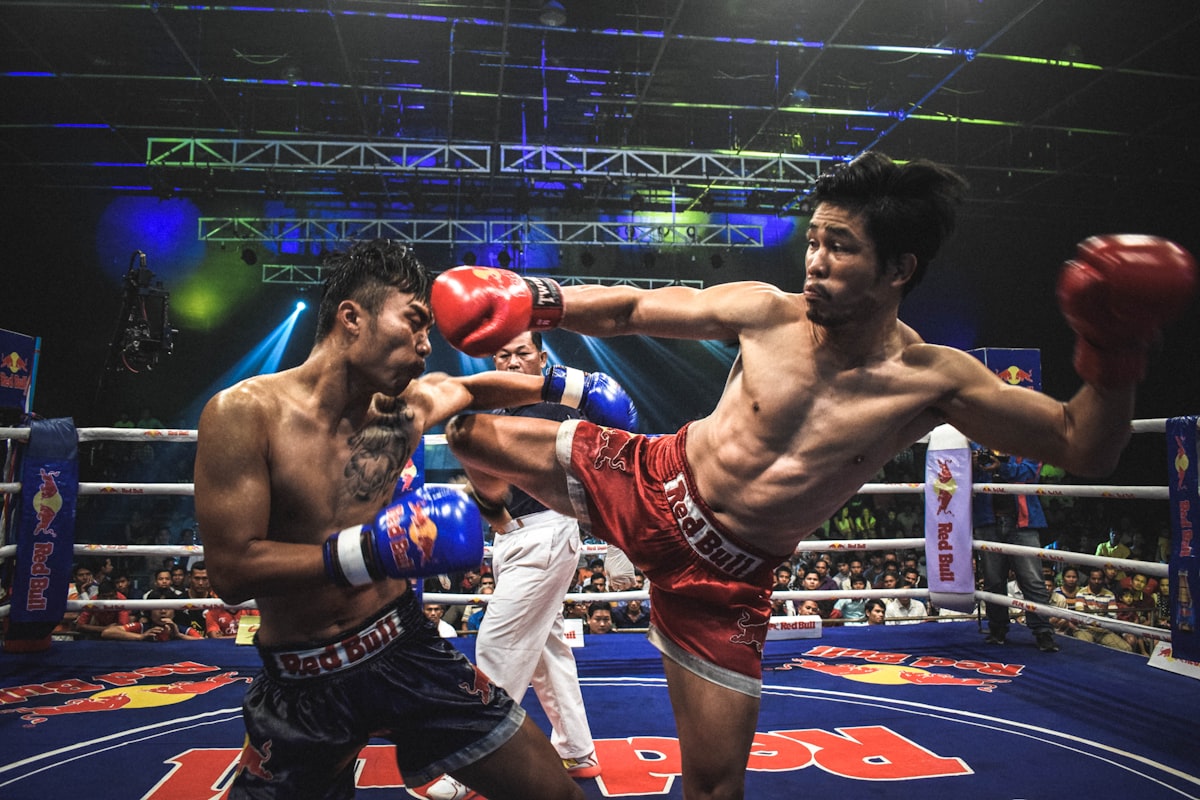
Martial arts training isn't just cardio. Every class combines coordination work, balance drills, strength development, and fast-twitch movement — the kind of varied physical stimulus that kids' bodies actually need. Research published in Primary Care Considerations for Youth Martial Arts Athletes (NCBI, 2025) found that young martial arts athletes show measurable improvements in muscular fitness, reduced body fat, and better motor skill development compared to less active peers.
The structured, progressive nature of training means kids build genuine fitness over time. Not just burning energy for an hour and going home.
What Changes Off the Mat
A review published through the Sacred Heart Academic Festival looked at how martial arts practice affects kids beyond physical fitness. The findings were consistent: children who train in martial arts show better self-regulation, improved classroom conduct, and stronger academic performance. The self-control learned on the mat transfers into how kids handle frustration, distraction, and pressure in other parts of their lives.
This isn't vague confidence-boosting language. It shows up in report cards, in parent conversations, and in how kids handle setbacks when things don't go their way.
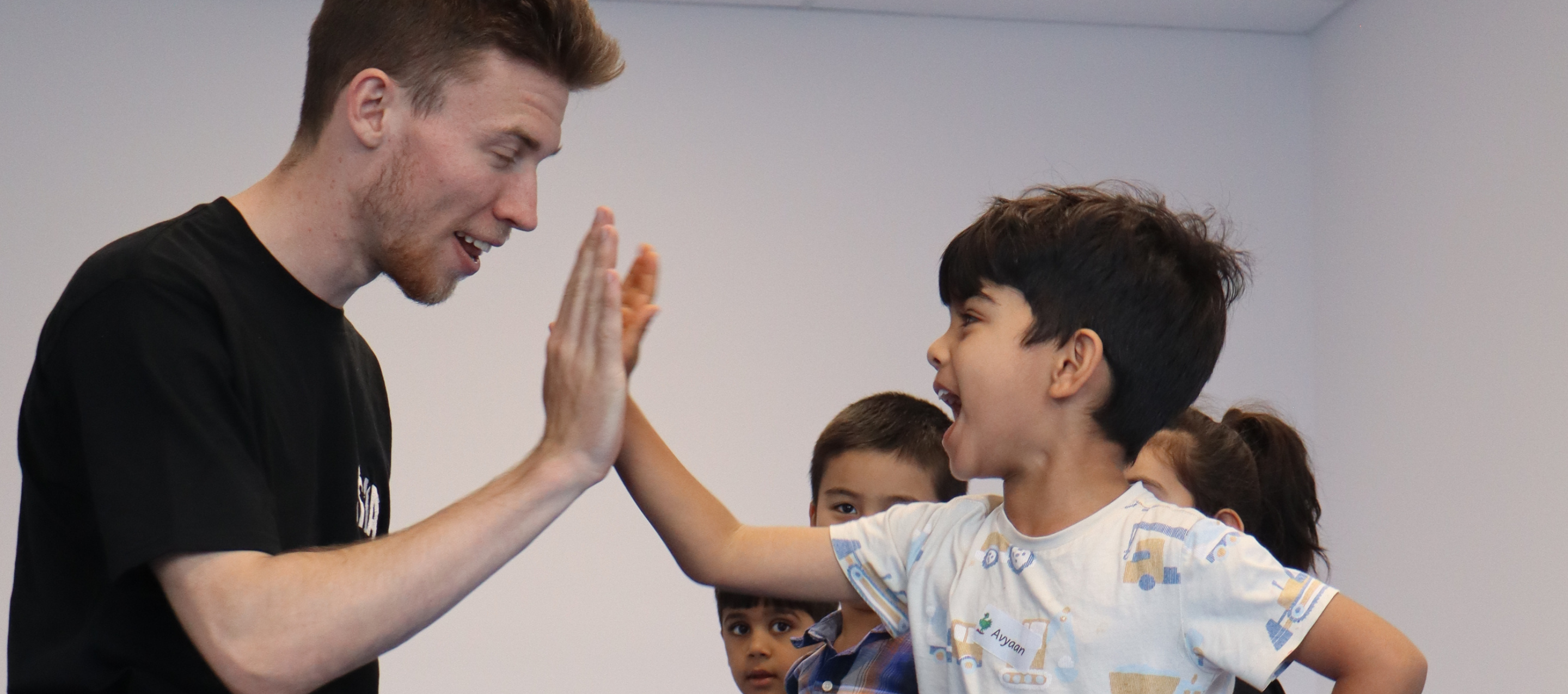
At TKA, we see it regularly. A child who started as a shy four-year-old, struggling to follow a simple instruction, becomes — over months — someone who holds focus for an entire class, runs through a sequence from memory, and cheers on the kid next to them. That doesn't happen by accident.
The Consistency Problem (And Why Martial Arts Solves It)
Most kids' fitness activities depend on external motivation. Team sports need a full team. Gym programs need self-direction most children haven't developed yet. Swimming lessons end at a certain level and kids age out.
Martial arts has a built-in structure that keeps kids engaged long-term. Belt progression gives them a visible, personal goal. Classes are social without being chaotic. And because every skill builds on the last, there is always something new to work toward.
That's why kids stay. Not because they're told to — because they want to come back.
What TKA Has for Your Family
Our kids program starts from age 3 and covers striking fundamentals, coordination exercises, and character development in every class. As kids grow, they can move into our adult Taekwondo or Muay Thai programs when the time is right.
We're a community school in Rouse Hill, not a competition factory. The goal is kids who are fitter, more focused, and more confident — whatever that looks like for each individual child.
If you'd like to see what a class actually looks like, bring your child in for a free trial. No commitment, no pressure.
Book a free trial class at TKA Martial Arts →
Sources:
- Australian Bureau of Statistics — Children's Physical Activity, Screen Time and Sleep (National Nutrition and Physical Activity Survey 2023–24)
- NCBI — Primary Care Considerations for Youth Martial Arts Athletes (2025)
- Sacred Heart Academic Festival — To What Extent Does Martial Arts Benefit Children