Martial Arts for Kids: Building Confidence in Rouse Hill
Only 23% of Australian kids meet daily activity guidelines. Here's why martial arts for kids in Rouse Hill is one of the most effective solutions.
Most parents in the Hills District will tell you the same thing. Their kid finishes school, sits down in front of a screen, and that's where they stay.
It's not a parenting failure. It's a national pattern. The Australian Institute of Health and Welfare found that just 23% of children aged 5 to 14 meet the recommended 60 minutes of physical activity every day. The 2022 Australian Physical Activity Report Card gave kids a D- for overall physical activity levels. A D-.
So the question isn't whether kids need to move more. They obviously do. The question is what kind of activity actually sticks.
Why Martial Arts for Kids Gets Results
A 2022 systematic review published in the journal Children (MDPI) analysed 16 studies involving 1,615 children aged 4 to 18 across four disciplines: karate, judo, taekwondo, and aikido. The findings were consistent across nearly every study: kids who trained in martial arts showed measurable improvements in cardiorespiratory fitness, strength, agility, balance, coordination, and flexibility. Not one or two of those things. All of them.
What made the research interesting wasn't just the physical results. The review also found that young martial artists showed increased social skills and self-confidence, alongside less aggressiveness. Those outcomes came from the structure of training itself: setting clear goals, learning to handle setbacks, and respecting instructors and training partners.
That's different from most weekend sports. A kid can sit on the bench at soccer. There's no bench in martial arts.
It's Structured Differently to Team Sports
Every child who walks into a martial arts class is working on their own progression. No one else determines how fast they move through the programme. A child who struggles with coordination at week one will look completely different by month three, because the improvement is personal and visible.
This matters for kids who don't thrive in traditional team sport environments. Some children find group sport overwhelming. Others get discouraged when they're not the fastest or the strongest. Martial arts rewards consistent effort, not just natural talent.
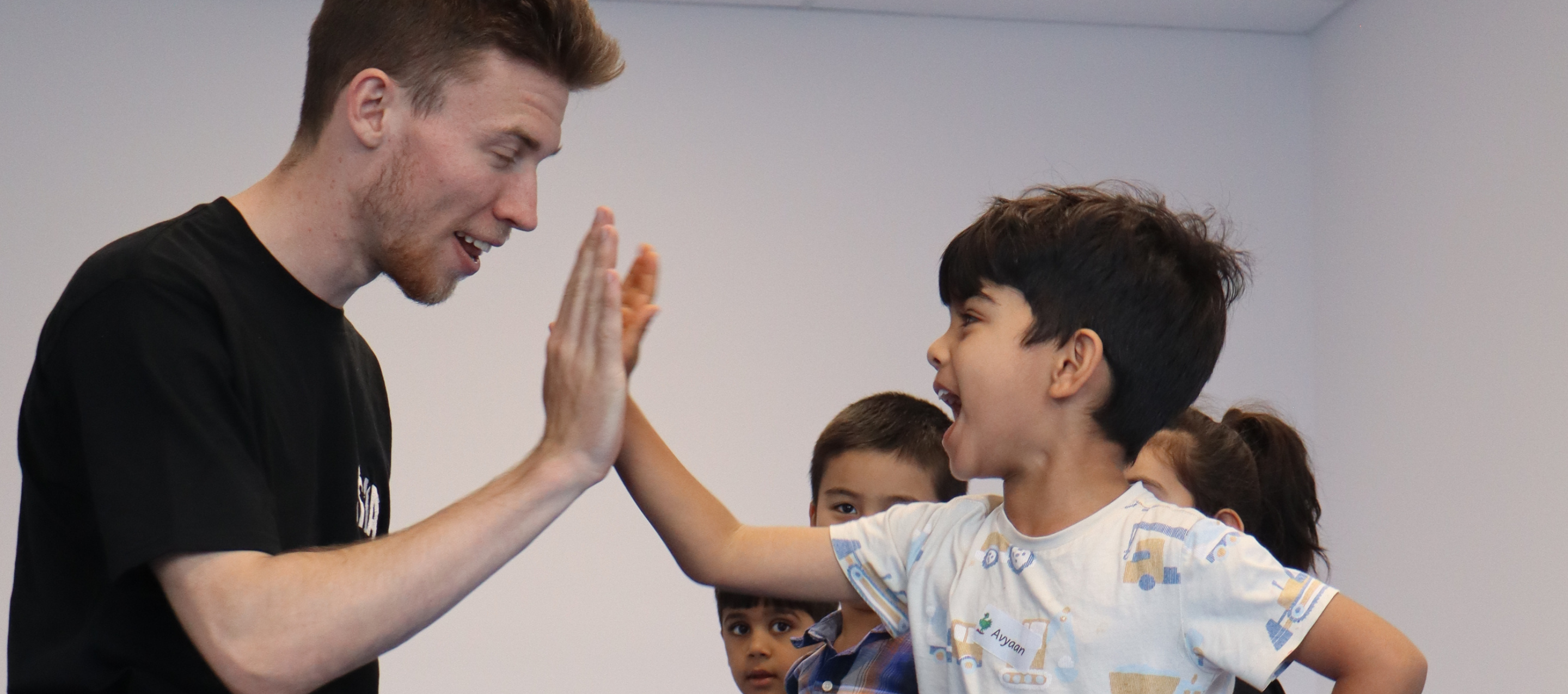
At TKA Martial Arts in Rouse Hill, kids as young as three train in our Kids Martial Arts programme. Adults who want the same kind of structured progression come in for Taekwondo or Muay Thai. The model is the same across all age groups: clear goals, visible progress, and a training community that genuinely supports each other.
The Confidence Shift Happens Faster Than You'd Expect
Parents often notice the change before their kids do. It shows up at school first. A child who used to avoid situations where they might fail starts putting their hand up. The discipline from training carries over.
That's not just observation. The same 2022 research review documented improved social skills, self-belief, and reduced anxiety as consistent outcomes across studies. The physical training and the mental development aren't separate things. They happen together.
Kids who train are kids who keep coming back.
If you're based in the Hills District and want to see whether it's the right fit, TKA offers a free trial class. No pressure, no gear required. Come and see what a session looks like for your child.
Sources:
Stamenković et al. (2022). Effects of Participating in Martial Arts in Children: A Systematic Review. Children, MDPI.
Australian Institute of Health and Welfare. Australia's Children – Physical Activity.
Australian 2022 Report Card on Physical Activity for Children and Young People. ScienceDirect.