Martial Arts for Kids in Rouse Hill: Fixing the Activity Gap
Just 23% of Australian kids aged 5–14 get enough daily exercise. Martial arts classes in Rouse Hill are helping Hills District families close that gap.
Less than a quarter of Australian kids aged 5–14 get 60 minutes of physical activity every day. That figure comes straight from the Australian Institute of Health and Welfare, and it hasn't been trending the right way.
For parents in the Hills District, it probably rings true. School sport is two days a week at best. After-school screens fill the gap. And team sports, while fine for some kids, only work if your child is the type who thrives in group environments. Not every child is.
Why Martial Arts for Kids Fits Where Other Sports Don't
Structured martial arts training runs three or four sessions a week of genuine physical movement. Kids aren't standing in a field waiting for the ball to come to them. They're drilling technique, practising combinations, and sparring the whole session.
That alone puts most kids over the daily activity threshold they're currently missing. But the volume of movement is only part of it.
What the Research Says
A 2022 systematic review published in the journal Children found positive results for motor skill development, executive function, and classroom behaviour in children who trained consistently in martial arts.
What Kids Actually Take Home
Better fitness, obviously. But that's not what keeps families coming back.
The thing parents notice first is what changes off the mat. More focus at school. Handling frustration without a meltdown. Talking back less. A 2021 study in Frontiers in Pediatrics found significant improvements in inhibition, mental shifting, and processing speed in young people who trained in martial arts consistently. The mat genuinely teaches kids how to manage their reactions. That skill transfers everywhere.
The Structure Is the Point
Most kids who struggle in team sports aren't struggling because they're unfit. They struggle because team sports are largely unstructured, and some kids need to know exactly what's expected of them at every step.
Martial arts training is sequential. You learn this, you earn that, you move on. The belt system gives kids a visible measure of their own progress. That consistency builds the kind of quiet confidence that doesn't depend on anyone else's opinion.
Programs for Every Age Group at TKA
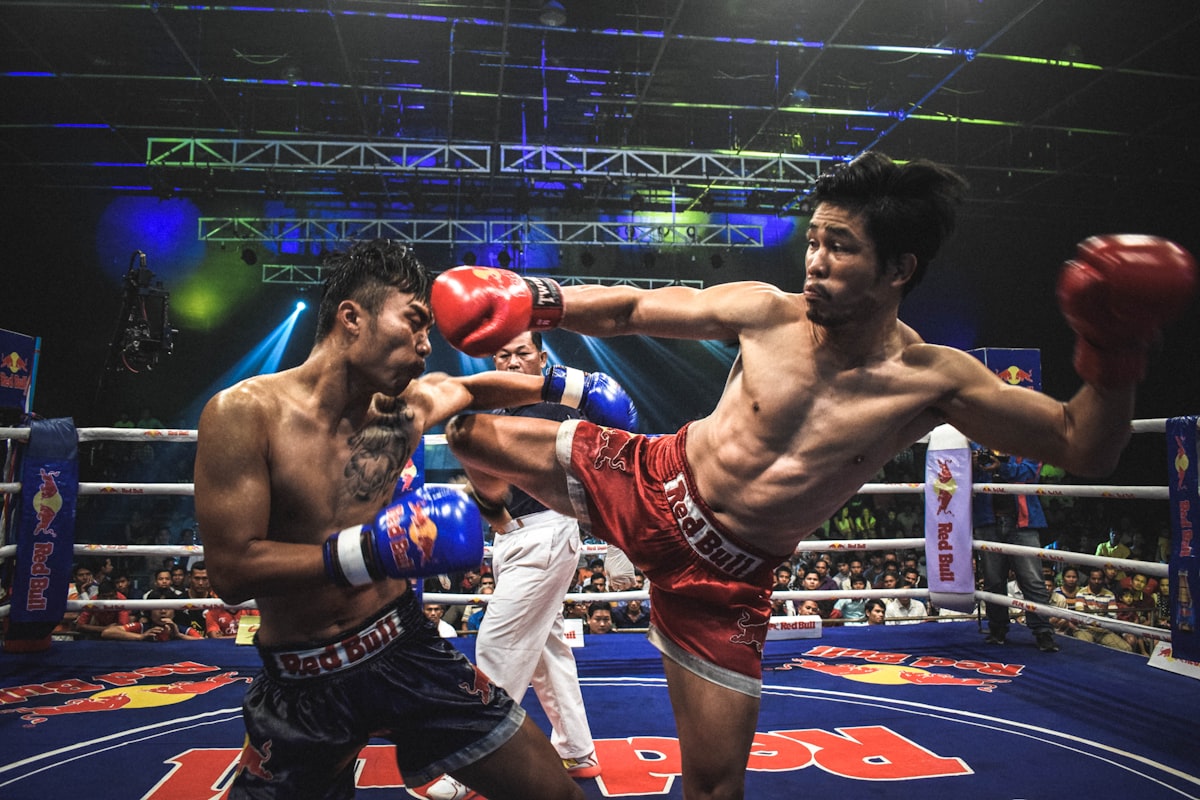
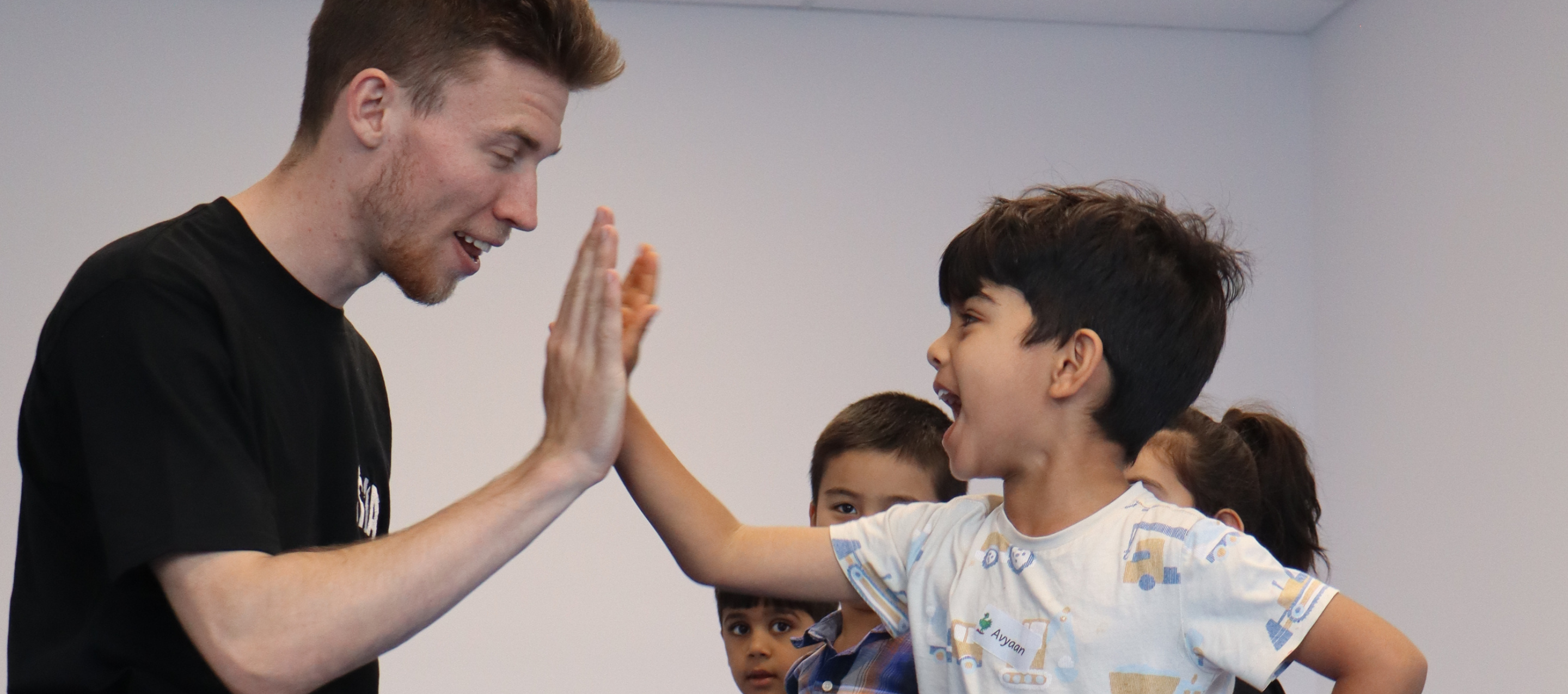
TKA's kids program in Rouse Hill runs from age 3. The youngest classes focus on coordination, listening, and basic body awareness — the foundations that make everything easier later on. Older kids build into taekwondo sparring and patterns. Teens who want something more intense can move into Muay Thai.
The variety matters. Kids don't all need the same thing.
The Age Where the Drop-Off Hits Hardest
The AIHW data also shows physical activity levels fall sharply between ages 12 and 14. That's the window where martial arts can do some of its best work — giving teenagers something genuinely challenging to pursue at the exact age they're looking for identity and achievement outside the classroom.
If your child isn't getting enough movement during the week, martial arts classes in Rouse Hill are a practical fix. TKA offers a free trial class with no pressure and no commitment. Come and see the environment before you decide anything.
Book a free trial class at TKA Martial Arts →
Sources
- Australian Institute of Health and Welfare — Australia's Children: Physical Activity
- Frontiers in Pediatrics (2021) — The Effect of Martial Arts Training on Cognitive and Psychological Functions in At-Risk Youths
- Children / PMC (2022) — Effects of Participating in Martial Arts in Children: A Systematic Review