Martial Arts for Kids in Rouse Hill: What the Research Says About Focus and Confidence
Research shows kids martial arts builds focus, confidence, and fitness. Here's what the studies say — and why TKA Rouse Hill families are seeing real results.
Why Australian Kids Need This More Than Ever
Less than a quarter of Australian children aged 5 to 14 meet the recommended 60 minutes of physical activity every day, according to the Australian Institute of Health and Welfare. A more recent national survey put that figure even lower — just 5.6% of young people meeting physical activity guidelines.
That's not a typo.
Screen time is up. Structured movement is falling away. For parents in the Hills District trying to find an activity that actually sticks, that's worth paying attention to.
What the Research Says About Kids Martial Arts
A 2025 study published in Frontiers in Psychology followed young people through their taekwondo journey — from first class through to black belt — and found clear gains across physical development, social skills, and emotional regulation. A separate 2025 study in the International Journal of Sociologies and Anthropologies Science Reviews found that structured taekwondo training builds discipline, self-confidence, and physical fitness in school-age kids.
A systematic review published in NCBI pulled together multiple studies and found statistically significant improvements in cardiorespiratory fitness, speed, agility, strength, flexibility, coordination, and balance in children who trained in martial arts. None of those were small or incidental findings.
More interesting is what happens in the classroom. Research links the self-regulation learned on the mat to better attention spans, fewer conduct problems, and stronger academic performance. One 11-week program produced measurable improvements in focus and effortful control in kids who participated.
The Belt System Does Something Other Sports Don't
A belt isn't a participation ribbon. It's proof of specific skills, specific effort, and specific improvement — earned on your own terms, not as part of a team result or a teacher's assessment.
A kid who earns their yellow belt knows exactly what they put in to get there. And then they go after the next one.
That cycle — set a goal, work for it, earn it — changes how kids carry themselves over time. Parents usually notice it before the kids do. A little more eye contact. A little less hesitation. Willingness to try things they'd normally back away from.
It's quiet and cumulative. That's actually why it works.
How TKA Runs Kids Martial Arts in Rouse Hill
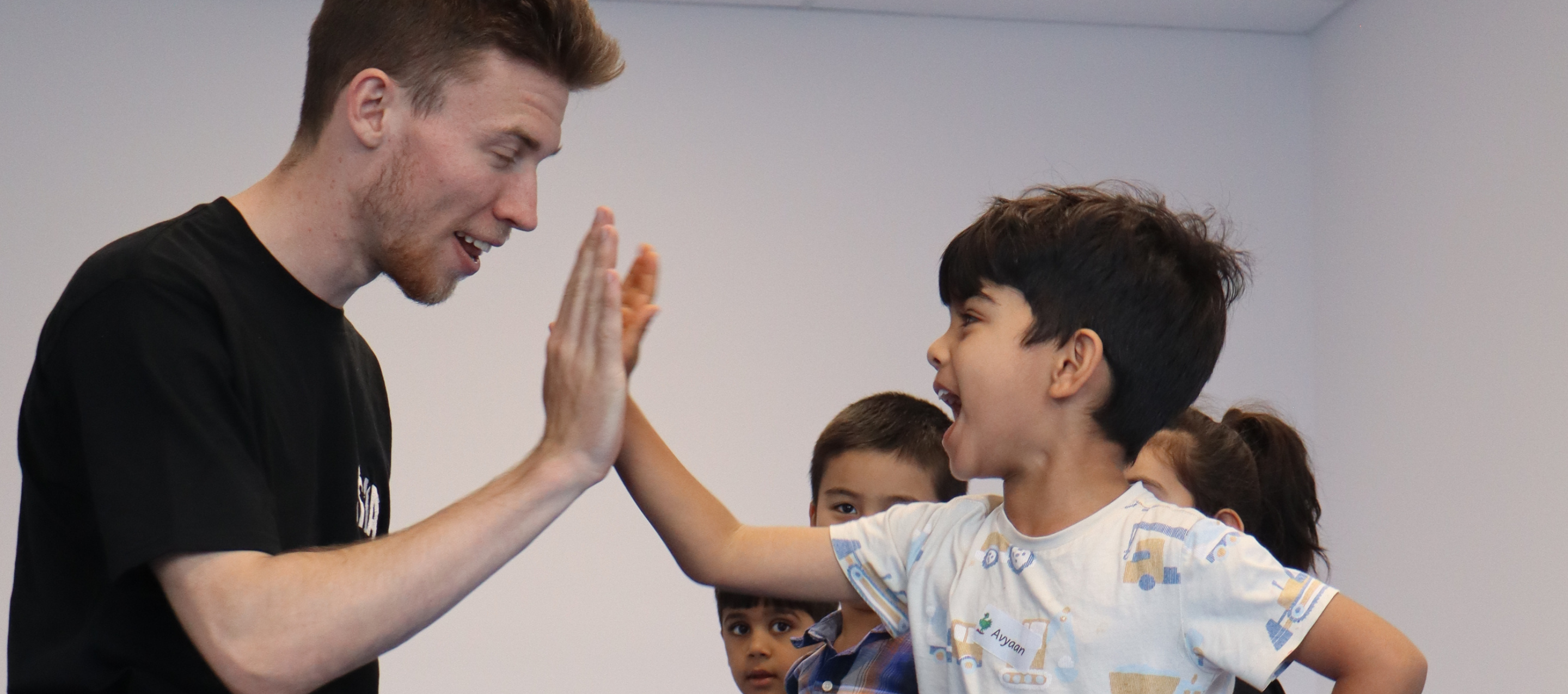
At TKA Martial Arts in Rouse Hill, our kids program starts from age 3. Sessions are structured around age-appropriate movement, basic technique, listening, and respect — not just kicking things harder than the kid next to you.
We're a community school in the Hills District. Our students range from tiny 3-year-olds in their first class to adults training ITF taekwondo and Muay Thai on the same floor. Plenty of families train together, which we think matters for how kids see the activity long-term.
There are plenty of after-school options around here. Most of them keep kids occupied. This one tends to change them.
Book a Free Trial Class
We offer free trial classes for new students — no commitment, no pressure. Come in, watch a session, let your child have a go, and see what you think. That's all we ask.
Book your free trial at TKA Martial Arts, Rouse Hill today.
Sources:
Australian Institute of Health and Welfare — Australia's Children: Physical Activity
Frontiers in Psychology — Positive Youth Development Through Taekwondo: A Journey to the Black Belt (2025)
NCBI — Effects of Participating in Martial Arts in Children: A Systematic Review
ScienceDirect — Results from the Australian 2022 Report Card on Physical Activity for Children and Young People