Martial Arts for Kids in Rouse Hill: What the Research Actually Shows
New research shows martial arts builds self-regulation, focus and emotional control in kids. Here's what the science says — and why Hills District families are choosing TKA.
Australia's own data paints a pretty stark picture. According to the Australian Institute of Health and Welfare, less than one in four children aged 5 to 14 gets the recommended 60 minutes of physical activity each day. For parents in Rouse Hill looking at martial arts for kids, that context matters — because the activity needs to be something children actually want to come back to week after week.
Australian Kids Are Falling Behind on Physical Activity
For teenagers, the situation is even more concerning. A full 83% of 15 to 17-year-olds don't meet national physical activity guidelines. The 2022 Australian Physical Activity Report Card gave overall activity levels a D-.
That's not a slight dip. That's a sustained drop across a generation.
Team sports aren't the answer for every child. School PE fills maybe two hours a week. A lot of kids cycle through activity after activity and never quite land somewhere that feels like theirs. The sport that fits needs to give them something to work toward, keep them engaged across years, and build something beyond fitness.
What a 2026 Study Found About Martial Arts for Kids
A study published this year in Frontiers in Psychology examined martial arts training as a psychological self-regulation tool, looking specifically at how it affects emotional control, attention, and stress resilience in young people. The findings were consistent with what researchers have been building toward for years.
Kids who trained in martial arts showed meaningful improvements in their ability to manage impulse responses, stay focused under pressure, and regulate their emotional reactions in difficult situations. These aren't skills that stay inside the dojo. They carry directly into classrooms, playgrounds, and the kind of moments that actually define a child's day.
Separate research on a school-based Tae Kwon Do program found similar results. Both emotional and cognitive self-regulation improved across age groups, with effects strong enough that researchers suggested combat sports could be successfully integrated into educational settings.
It's Not Just About Getting Moving
Physical fitness matters. But most parents choosing martial arts for their kids at TKA in Rouse Hill aren't just trying to hit a step count.
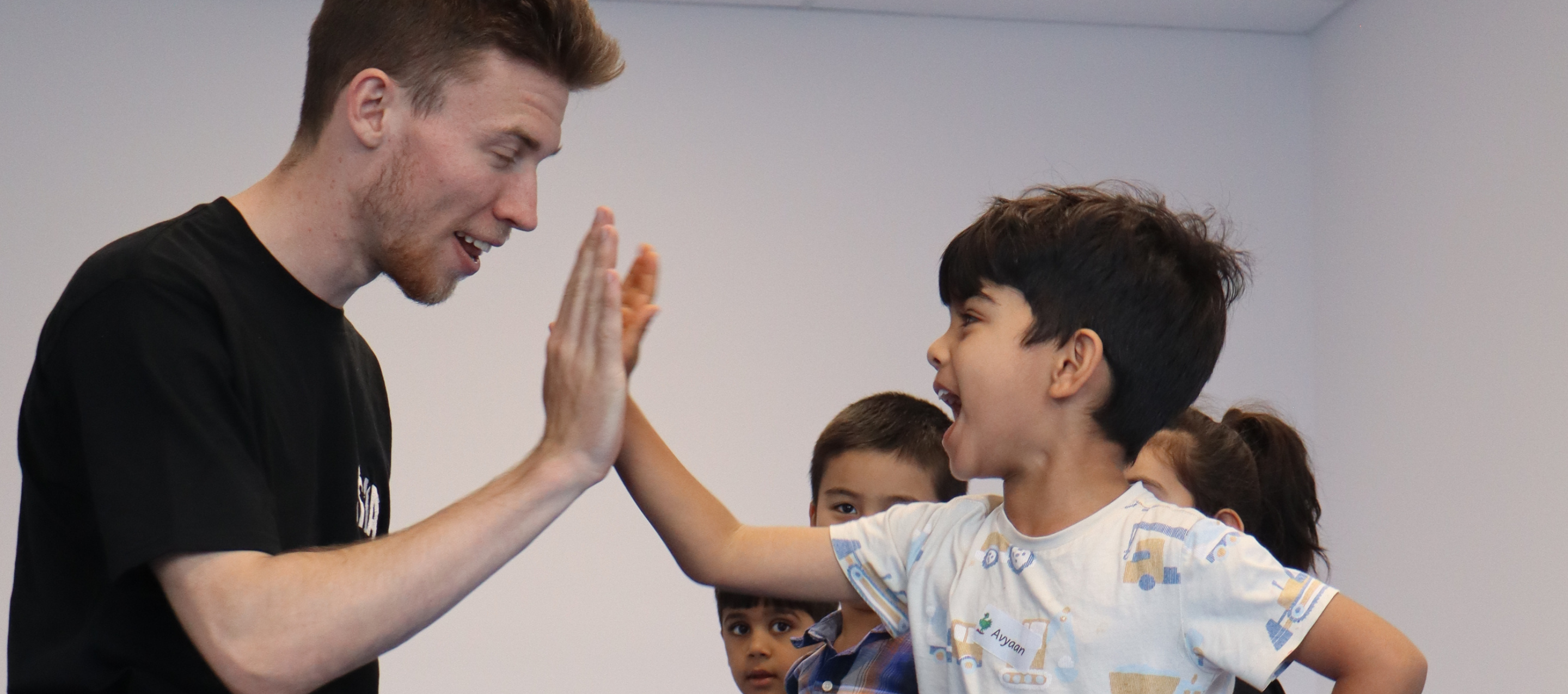
They're watching kids who used to escalate at the smallest frustration learn to pause and breathe before reacting. Kids who didn't back themselves earning their first belt and realising they're more capable than they thought. Kids who were completely withdrawn in their first class introducing themselves to new students six months later like they've always been confident.
That's what consistent structure and genuine expectation does. It's harder to manufacture in a drop-in sport than people realise.
Why Martial Arts Works When Other Activities Don't
A lot of children try sport after sport and never find their footing. Martial arts solves a specific problem: it's personal enough that you're never benched or competing for a position, but structured enough that there's always something concrete in front of you. The next technique. The next grading. The next class where you show up and see the difference from last week.
At TKA, programs run from age 3 upward, from early childhood classes through to adult Taekwondo and Muay Thai. That continuity matters. Kids don't age out and have to start again somewhere unfamiliar. Families in the Hills District have used TKA as their one constant activity for years at a stretch.
One Hour, Twice a Week
That's the starting point for most families. It's enough to see a real change.
TKA runs free trial classes for new students. No sign-up required, no obligation — just come in, see how your child responds, and take it from there.
Book a free trial class at TKA Martial Arts in Rouse Hill
Sources
- Frontiers in Psychology (2026): Martial Arts Training as a Psychological Self-Regulation Intervention — Emotional Control, Attention, and Stress Resilience
- Australian Institute of Health and Welfare: Australia's Children — Physical Activity
- Results from the Australian 2022 Report Card on Physical Activity for Children and Young People — ScienceDirect